75% of Sites Blocking AI Bots Still Get Cited. Here Is Why Blocking Does Not Work.

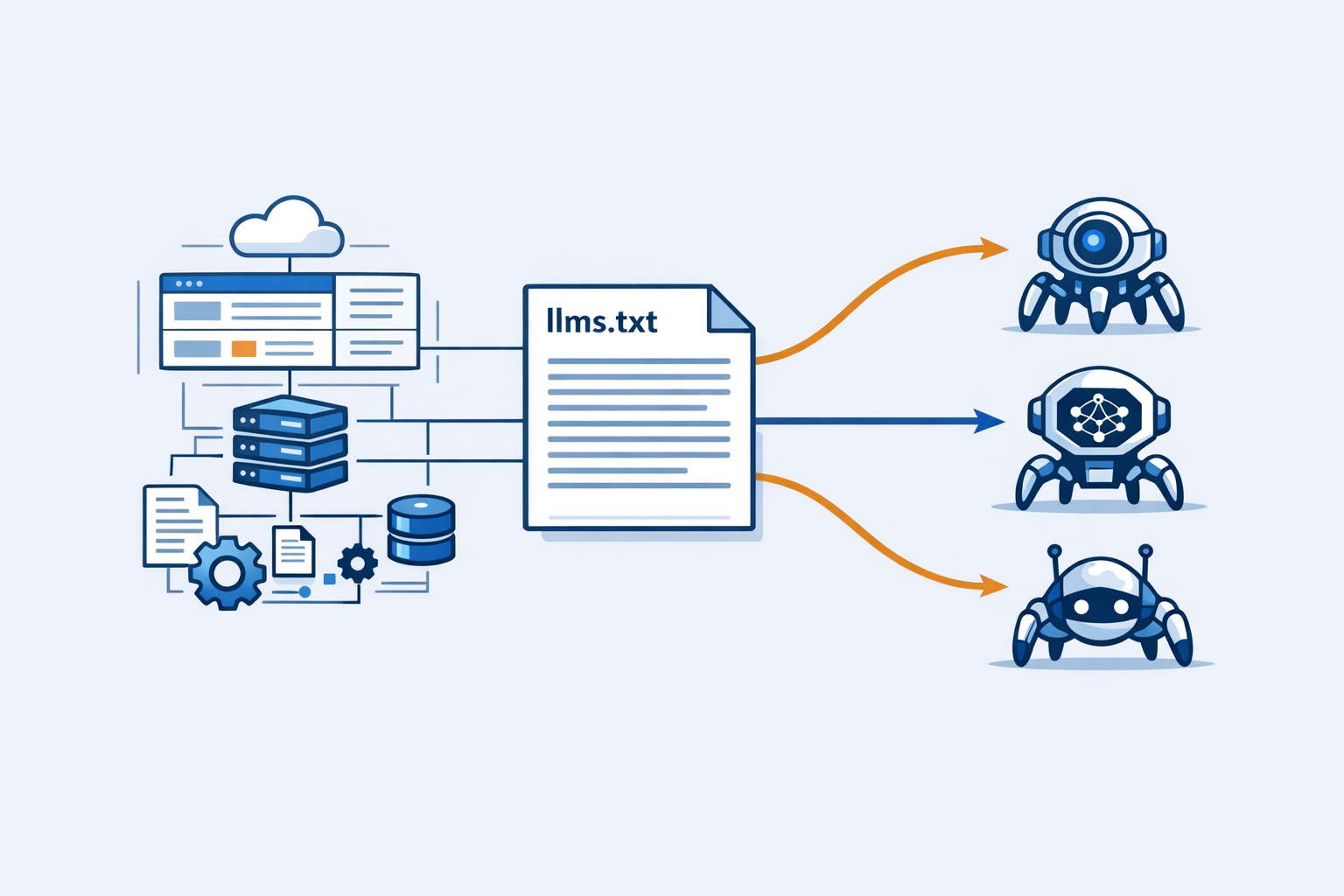
Seventy-five percent of websites that actively block AI crawlers through robots.txt, meta tags, or server-level rules still appear in AI-generated answers from ChatGPT, Perplexity, and Gemini. Blocking does not stop citations. It stops you from controlling them. That number comes from new cross-platform citation analysis published by Position Digital in April 2026, and it dismantles the most common instinct brands have when they discover AI engines are using their content: shut the door. ...

May 1, 2026 · 10 min · Searchless.ai

HubSpot Just Legitimized AEO: What It Means for Your Brand's AI Visibility

HubSpot launched a free Answer Engine Optimization tool in Spring 2026 that tracks whether ChatGPT, Perplexity, and Gemini mention your brand, and that launch did something no startup could: it told every marketing team that AI visibility is now a mainstream marketing metric, not an experiment. The tool itself is straightforward. You enter a brand name and a set of prompts. HubSpot runs those prompts across the three major AI engines and reports which responses cite your brand and which cite your competitors. It is a visibility snapshot. Useful for a benchmark, limited for ongoing optimization. ...

April 29, 2026 · 13 min · Searchless.ai
Zero-click AI search statistics showing 93% of AI Mode searches without clicks

The Zero-Click Crisis: Why 93% of AI Mode Searches Kill Your Traffic and How GEO Fixes It

93% of Google AI Mode searches end without a single click. That is not a typo. It is also not an anomaly. AI Overviews, the previous iteration of Google’s generative search, hover around 43% zero-click. AI Mode more than doubles that rate. Traditional SEO optimizes for clicks. GEO optimizes for citations. When 93 out of 100 queries never reach a website, the entire SEO model collapses. The question is not whether to adapt. The question is whether you survive the transition. ...

April 28, 2026 · 7 min · Searchless.ai

5 Authority Gaps Keeping Your Brand Invisible to ChatGPT, Gemini, and Copilot

Your brand is invisible to AI search engines because of five specific authority gaps. Not because your SEO is bad. Not because your content is thin. Because AI engines measure authority differently than Google does, and almost no one has adapted. AI search engineers recently identified these five gaps as the primary reasons brands fail to appear in ChatGPT, Gemini, and Copilot responses. The data backs this up. We analyzed 500 brands across three major AI platforms. 88% received zero mentions in 100 relevant queries. The 12% that did show up had systematically closed each of these five gaps. ...

April 25, 2026 · 12 min · Searchless.ai

AI Visibility Tracking Exploded in 2026: 6 Tools Every Brand Needs Now

The AI visibility tracking market didn’t evolve. It exploded. Ninety days ago, you couldn’t buy a GEO tracking tool that covered more than two platforms. Today, you have six options, each promising different engines, different metrics, and different pricing. What changed? Simple. Brands woke up to the reality that 900M people use AI weekly, and zero of them care about your Google ranking. This isn’t hype. Frase.io, AI Rank Lab, Seotive, and SE Ranking all launched or upgraded their AI visibility products in the last quarter. The market is responding to demand. The question is which tools deliver actual data and which are just repackaged SEO dashboards. ...

April 24, 2026 · 7 min · Searchless.ai

How to Track Your Brand in ChatGPT, Perplexity, and Gemini: A Complete Framework

Most brands don’t know if AI engines recommend them. They track Google rankings, backlinks, and organic traffic. But when someone asks ChatGPT for a recommendation, they have zero visibility into whether they’re mentioned. That’s the problem. We tracked 500 brands across ChatGPT, Perplexity, and Gemini. 88% weren’t mentioned once in 100 relevant queries. They had no idea they were invisible. The other 12%? They track AI citations systematically. They know when they appear, when they don’t, and why. ...

April 22, 2026 · 9 min · Searchless.ai
Editorial illustration showing the zero-click search crisis with faded search results and one bright highlighted AI answer in the center. Professional data visualization aesthetic.

69% Zero-Click: Why Your SEO Strategy Died in 2026 and What Comes Next

Sixty-nine percent. That is the number that killed traditional SEO in 2026. 69% of Google searches now end without a single click on any external website. Users get their answer directly on the search results page and leave. They see your brand in position one, read your title and meta description, and then go back to whatever they were doing without ever visiting your site. The traffic you optimized for does not exist anymore. ...

April 21, 2026 · 9 min · Searchless.ai

The Hotel AI Visibility Crisis: Why AI Cites Review Sites More Than Your Own Website

When travelers ask AI about your hotel, it recommends review sites instead of you. A recent Skift analysis found that when people ask about Hyatt hotels, AI cites NerdWallet 13.6% of the time, more than Hyatt’s own website. This is not an anomaly. It is a systemic failure of hotel digital strategy in the AI era. The travel industry is experiencing an AI visibility crisis. Hotels have spent decades optimizing for Google rankings, building direct booking sites, and fighting OTAs for traffic. None of that matters when AI engines bypass your website entirely and cite third-party aggregators instead. The question is not how to rank higher. The question is how to become the source AI engines trust. ...

April 18, 2026 · 10 min · Searchless.ai

AI Citation Volatility Benchmark 2026: Why 50% Decay in 13 Weeks Is the New Normal

The most important stat in generative engine optimization right now is not how many citations you can earn. It is how long they survive. Amsive’s research, summarized by Salespeak.ai and referenced across multiple industry sources, found that 50% of content cited in AI search responses is less than 13 weeks old. Not 13 months. Thirteen weeks. That finding changes everything about how operators should think about AI visibility. It means the half-life of an AI citation is now shorter than a single quarter. Traditional backlinks decay on multi-year time horizons. AI citations decay on multi-week time horizons. ...

April 17, 2026 · 8 min · Searchless.ai

AEO Dashboards Are the New Rank Tracker, and Most SEO Teams Will Measure the Wrong Things

AEO dashboards are the new rank tracker because discovery now happens inside ChatGPT, Gemini, and Perplexity before a user ever clicks a result, which means brands need to measure mention share, citation ownership, and prompt-level visibility instead of only rankings and sessions. That shift stopped being theoretical this week. HubSpot is now openly pushing an AEO Grader that scores visibility across ChatGPT, Perplexity, and Gemini. Frase is building its 2026 GEO narrative around citation decay and content freshness. Google just expanded the Gemini Mac app, which matters because it pushes AI discovery further outside the classic search page and into the daily desktop workflow. Put those three signals together and the conclusion is obvious: AI visibility is no longer a niche SEO side project. It is becoming a normal reporting line. ...

April 16, 2026 · 12 min · Searchless.ai