HubSpot Just Legitimized AEO: What It Means for Your Brand's AI Visibility

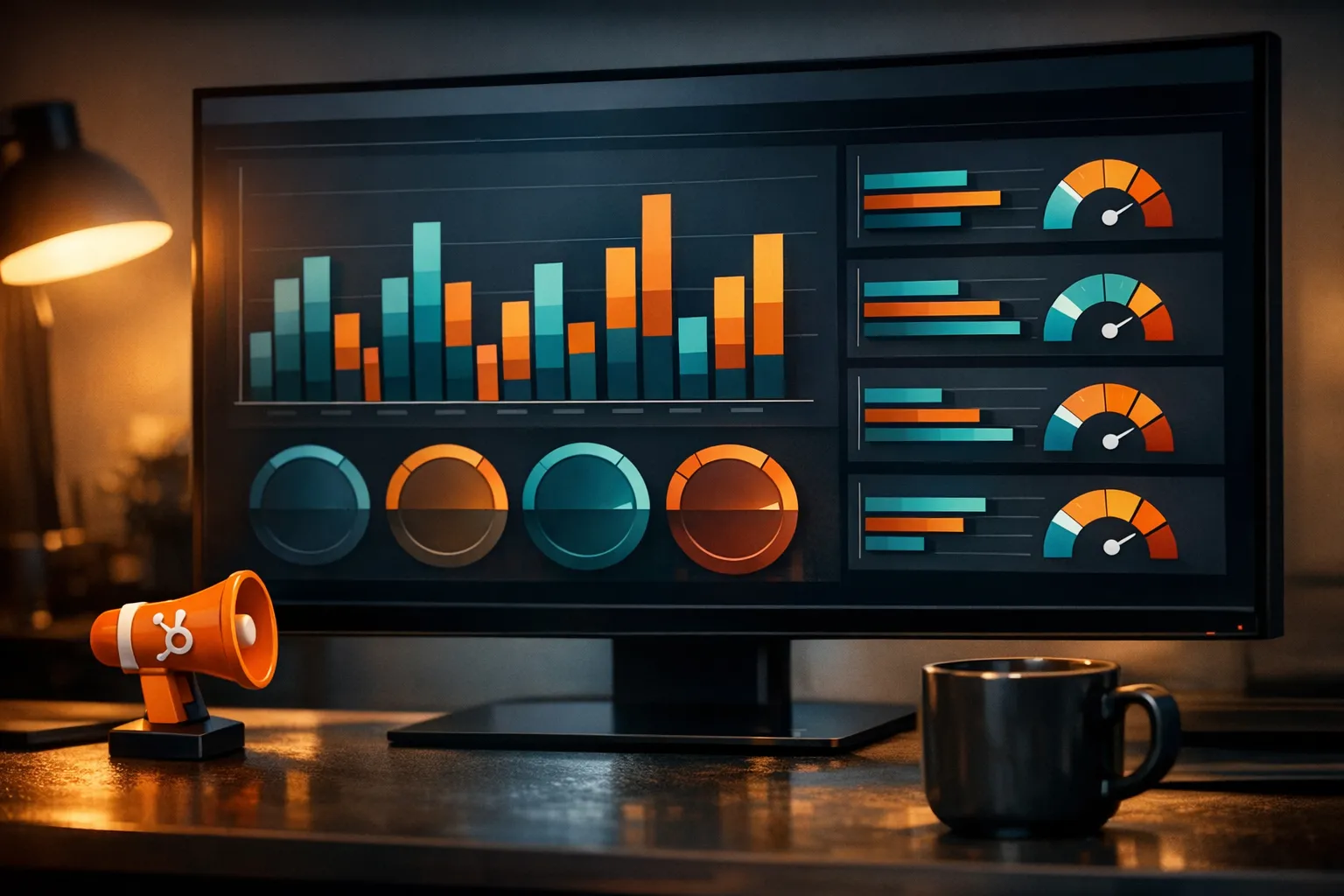
HubSpot launched a free Answer Engine Optimization tool in Spring 2026 that tracks whether ChatGPT, Perplexity, and Gemini mention your brand, and that launch did something no startup could: it told every marketing team that AI visibility is now a mainstream marketing metric, not an experiment. The tool itself is straightforward. You enter a brand name and a set of prompts. HubSpot runs those prompts across the three major AI engines and reports which responses cite your brand and which cite your competitors. It is a visibility snapshot. Useful for a benchmark, limited for ongoing optimization. ...

April 29, 2026 · 13 min · Searchless.ai

Why Your #1 Google Ranking Means Nothing in AI Search

A #1 Google ranking for your top keyword no longer guarantees that AI engines like ChatGPT, Gemini, or Perplexity will recommend your brand when users ask for the same solution. That is not an opinion. It is a measurable gap between where you rank in traditional search and whether AI engines even know you exist. Brands with dominant Google positions are discovering this the hard way. They own the first position for their core terms. They show up in featured snippets. They have the most backlinks. But when someone asks ChatGPT, “What is the best tool for X?” their brand never appears. ...

April 27, 2026 · 10 min · Searchless.ai

AI Visibility Tracking Exploded in 2026: 6 Tools Every Brand Needs Now

The AI visibility tracking market didn’t evolve. It exploded. Ninety days ago, you couldn’t buy a GEO tracking tool that covered more than two platforms. Today, you have six options, each promising different engines, different metrics, and different pricing. What changed? Simple. Brands woke up to the reality that 900M people use AI weekly, and zero of them care about your Google ranking. This isn’t hype. Frase.io, AI Rank Lab, Seotive, and SE Ranking all launched or upgraded their AI visibility products in the last quarter. The market is responding to demand. The question is which tools deliver actual data and which are just repackaged SEO dashboards. ...

April 24, 2026 · 7 min · Searchless.ai
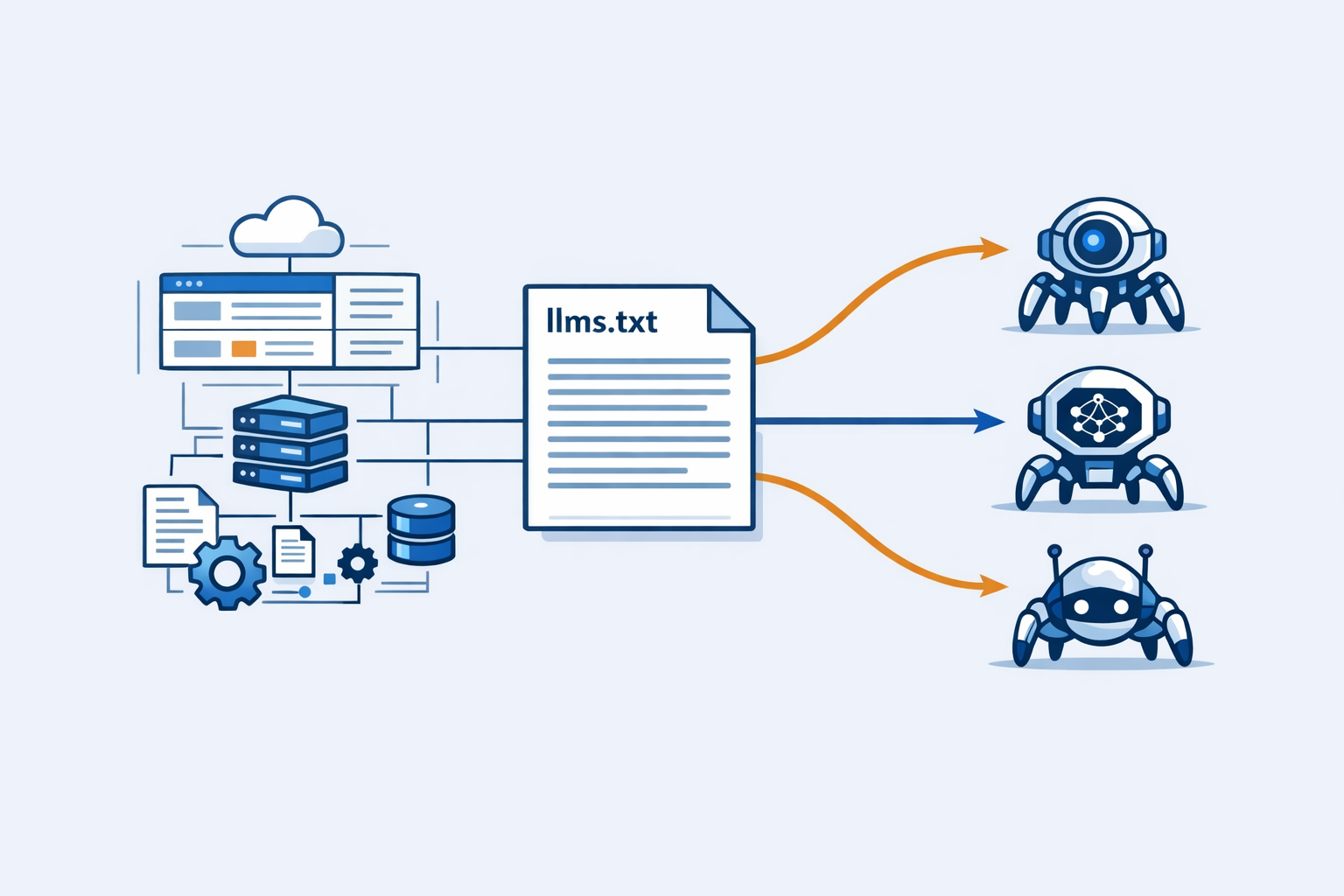
Technical diagram showing a website with llms.txt file structure, connecting to AI crawlers like PerplexityBot, ChatGPTBot, and Googlebot via clean data pathways

llms.txt is the New robots.txt for AI Engines: Complete Implementation Guide

llms.txt is the standard that tells AI engines what your website is about, what content is available, and where to find it. Wikipedia updated its SEO article on April 19, 2026 to include generative engine optimization (GEO) as the prevailing term for LLM-based search optimization. Yet 95% of websites still do not have an llms.txt file. This is the robots.txt moment for AI discovery. The brands that implement llms.txt now will control how AI engines like ChatGPT, Perplexity, and Gemini understand and cite their content. The brands that wait will be invisible. ...

April 20, 2026 · 15 min · Searchless.ai
LinkedIn as top AI citation source in 2026

LinkedIn Is the #2 Most Cited Source in AI Search: Why Your B2B Content Strategy Depends on It

LinkedIn is now the second most cited domain across all major AI search engines, appearing in 11% of AI-generated responses on average across ChatGPT Search, Perplexity, and Google AI Mode. That puts it ahead of Wikipedia, YouTube, and every major news publisher. If your brand publishes on LinkedIn, you are already in the AI citation pipeline whether you know it or not. The question is whether AI models cite you or your competitor. ...

April 19, 2026 · 9 min · Searchless.ai

The Hotel AI Visibility Crisis: Why AI Cites Review Sites More Than Your Own Website

When travelers ask AI about your hotel, it recommends review sites instead of you. A recent Skift analysis found that when people ask about Hyatt hotels, AI cites NerdWallet 13.6% of the time, more than Hyatt’s own website. This is not an anomaly. It is a systemic failure of hotel digital strategy in the AI era. The travel industry is experiencing an AI visibility crisis. Hotels have spent decades optimizing for Google rankings, building direct booking sites, and fighting OTAs for traffic. None of that matters when AI engines bypass your website entirely and cite third-party aggregators instead. The question is not how to rank higher. The question is how to become the source AI engines trust. ...

April 18, 2026 · 10 min · Searchless.ai

AEO Dashboards Are the New Rank Tracker, and Most SEO Teams Will Measure the Wrong Things

AEO dashboards are the new rank tracker because discovery now happens inside ChatGPT, Gemini, and Perplexity before a user ever clicks a result, which means brands need to measure mention share, citation ownership, and prompt-level visibility instead of only rankings and sessions. That shift stopped being theoretical this week. HubSpot is now openly pushing an AEO Grader that scores visibility across ChatGPT, Perplexity, and Gemini. Frase is building its 2026 GEO narrative around citation decay and content freshness. Google just expanded the Gemini Mac app, which matters because it pushes AI discovery further outside the classic search page and into the daily desktop workflow. Put those three signals together and the conclusion is obvious: AI visibility is no longer a niche SEO side project. It is becoming a normal reporting line. ...

April 16, 2026 · 12 min · Searchless.ai

Google Chrome Skills Is a Zero-Click Accelerant, and Most Brands Are Not Measuring the Damage

Google Chrome Skills is a zero-click accelerant because it turns Gemini prompts into reusable workflows inside the browser, which reduces the need to re-search, re-evaluate, and re-visit websites from scratch. That matters far more than the launch headline suggests. Google announced Skills in Chrome this week as a way for users to save and rerun prompts across tabs with one click. On the surface, that looks like a convenience feature. In practice, it pushes AI behavior one step closer to habit. The user no longer needs to think, “What should I search?” or even, “What exact prompt should I use?” They click a saved skill, Gemini performs a task, and the browser becomes the interface where research, comparison, summarization, and buying intent get compressed. ...

April 15, 2026 · 10 min · Searchless.ai

From Clicks to Citations: The GEO KPI Stack for 2026

Clicks are no longer the best top-level metric for AI-era discovery because the commercial battle increasingly starts at the citation layer, before a user ever visits your site. That sentence sounds aggressive, but the data now supports it. Advertising Week argued this week that LLM search is breaking the old content-for-clicks bargain and forcing publishers and brands to build attribution around citations, not just visits. Position Digital published fresh April data saying 75% of AI Mode sessions end without an external visit, while classic organic click-through rates drop when AI answers appear. Even if individual percentages move over time, the operational direction is obvious: a growing share of discovery happens inside the answer, not after the click. ...

April 14, 2026 · 10 min · Searchless.ai Research Team
Technical GEO in 2026 with robots.txt, llms.txt, and extractable content blocks

Technical GEO in 2026: Robots.txt, llms.txt, and Extractable Content That Actually Wins Citations

Technical GEO in 2026 is no longer mainly about writing vaguely AI-friendly content. It is about whether AI systems can access, parse, trust, and safely extract your pages in the first place. That distinction matters because the market is still full of shallow GEO advice. Most of it says some version of the same thing: add FAQs, tighten headings, maybe publish an llms.txt file, and wait for citations. That was always incomplete. It is now actively misleading. ...

April 13, 2026 · 12 min · Searchless.ai Research Team